




Available courses

Move beyond pen and paper. This course introduces field staff and M&E professionals to commonly used digital tools for data collection, analysis, and reporting — including KoboToolbox, Power BI, and Excel dashboards. Ideal for those ready to scale their data processes.

Short Description: Learn to gather and analyze data efficiently using digital tools.
Learning Outcome:

Setting up forms in KoboToolbox or ODK

Collecting mobile-based data in the field

Cleaning and organizing data in Excel

Visualizing insights using Power BI

Linking M&E to decision-making with real-time data

Requirements:

Basic familiarity with mobile devices

Internet access for cloud-based tools

Interest in learning new technology

Duration: 30 hours
Study Time: 1 hour per day
Difficulty Level: Advance
Course Language: English

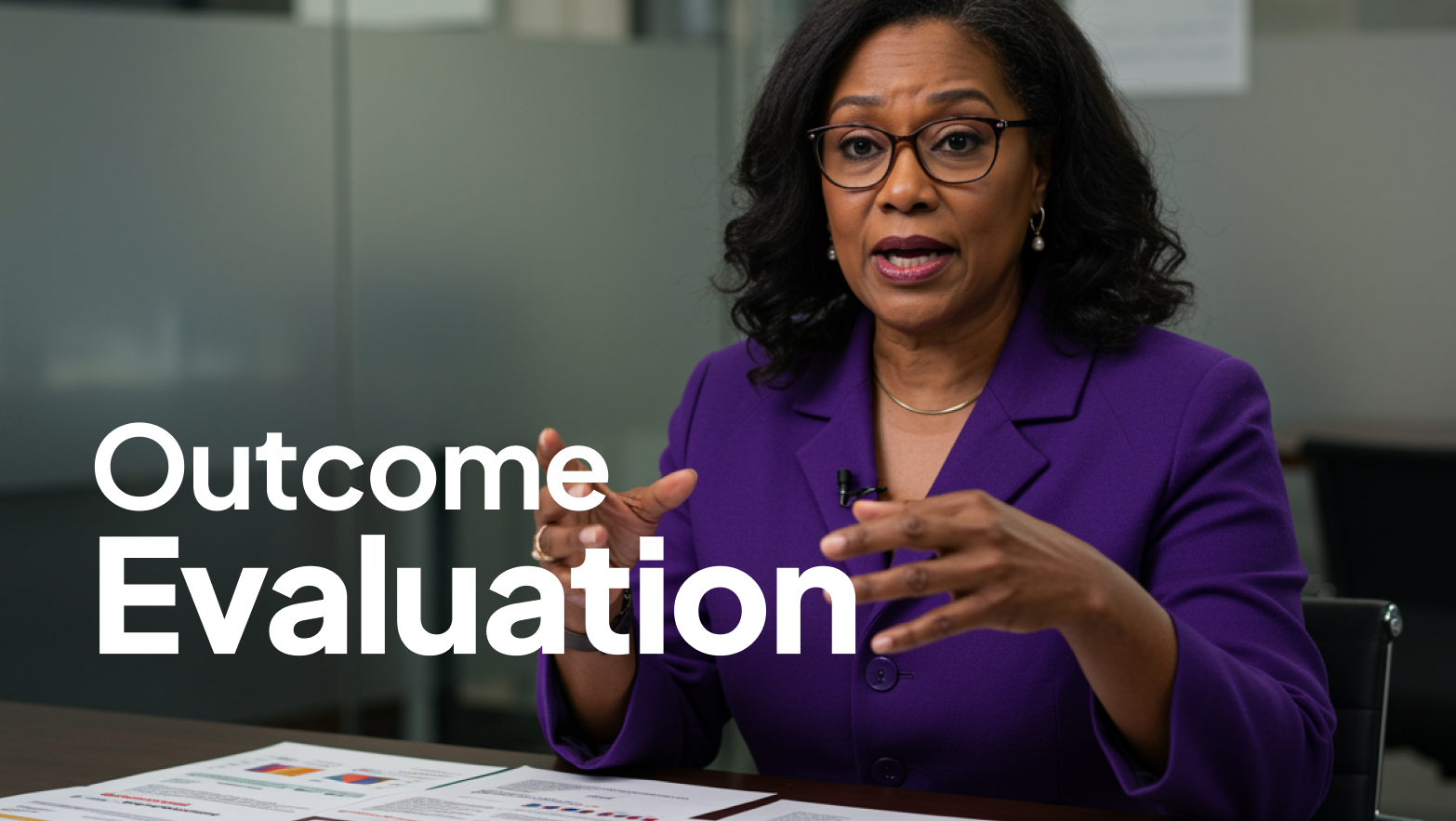
Designed for mid-level M&E staff and program leads, this course dives into how to assess the real-world outcomes of your programs. Go beyond outputs — learn how to track behavior change, community impact, and sustainability using structured evaluation methods.

Short Description: Evaluate whether your program actually made a difference.
Learning Outcome:

The difference between outcomes and outputs

How to plan a proper evaluation

Choosing between quantitative and qualitative methods

Designing tools and surveys

Analyzing results and writing impact reports

Requirements:

Completion of an intro M&E course

Familiarity with basic statistics (helpful but not required)

A sample program to think through during exercises

Duration: 20 hours
Study Time: 3 hours per week
Difficulty Level: Advance
Course Language: English

This course is for program designers, M&E officers, and grant writers who need to develop robust logical frameworks. You’ll learn how to build measurable objectives, define indicators, and align your program structure with donor expectations and real-world impact.

Short Description: Master the art of creating practical, donor-ready logframes.
Learning Outcome:

Principles behind logical frameworks

Designing outputs, outcomes, and goals

Choosing measurable indicators

Aligning LogFrames with proposals and M&E

Common mistakes and how to avoid them

Requirements:

Some exposure to project design or grants

Access to sample program documents (optional)

Spreadsheet software like Excel or Google Sheets

Duration: 3 hours
Study Time: 30 mins per day
Difficulty Level: Beginner
Course Language: English

This course offers an introduction to logistics planning and operations during emergency response, focusing on efficiency, coordination, and field readiness.

Short Description: Learn how to manage supply chains in humanitarian crises
Learning Outcome:

Understand core logistics in emergencies

Learn warehouse & transport setup- Coordinate with relief agencies

Manage inventory in crises

Requirements:

Basic knowledge of humanitarian work or logistics

Duration: 3 weeks
Study Time: 3-5 hours/week
Difficulty Level: Intermediate
Course Language: English

Master the art of delivering critical information during emergencies. Learn how to communicate with beneficiaries, team members, media, and donors when time is limited and stakes are high.

Short Description: Communicate clearly under pressure.
Learning Outcome:

Core principles of crisis communication

Using communication trees

Message crafting under stress

Managing information flow internally

Handling misinformation and rumors

Requirements:

Basic understanding of media platforms

Good internet access (for simulations)

Willingness to practice under pressure

Duration: 1 Hour 30 Minutes
Study Time: 1 Hour 30 Minutes
Difficulty Level: Beginner
Course Language: English

Learn the fundamentals of setting up and managing logistics during emergencies. This course covers supply chain basics, warehouse setup, transportation coordination, and dealing with customs during crisis response.

Short Description: Move fast. Move where you are needed the most.
Learning Outcome:

Logistics chain basics in emergency settings

Managing last-mile delivery

Temporary warehouse setup

Customs clearance for relief supplies

Vendor management during emergencies

Requirements:

Access to sample logistics forms

Ability to complete case studies

Duration: 2 Hours
Study Time: 2 Hours
Difficulty Level: Beginner
Course Language: English

Field work during emergencies poses risks. This course equips you with the essential knowledge to stay safe, manage risks, and respond to threats while maintaining operational capacity during emergencies.

Short Description: Stay safe during field deployments.
Learning Outcome:

Personal security strategies

Risk assessment in the field

Handling checkpoints and roadblocks

Emergency evacuation protocols

Cultural sensitivity and local norms

Requirements:

Foundational humanitarian training

Awareness of personal health risks

Willingness to role-play simulations

Duration: 1 Hour 40 Minutes
Study Time: Self Paced
Difficulty Level: Beginner
Course Language: English

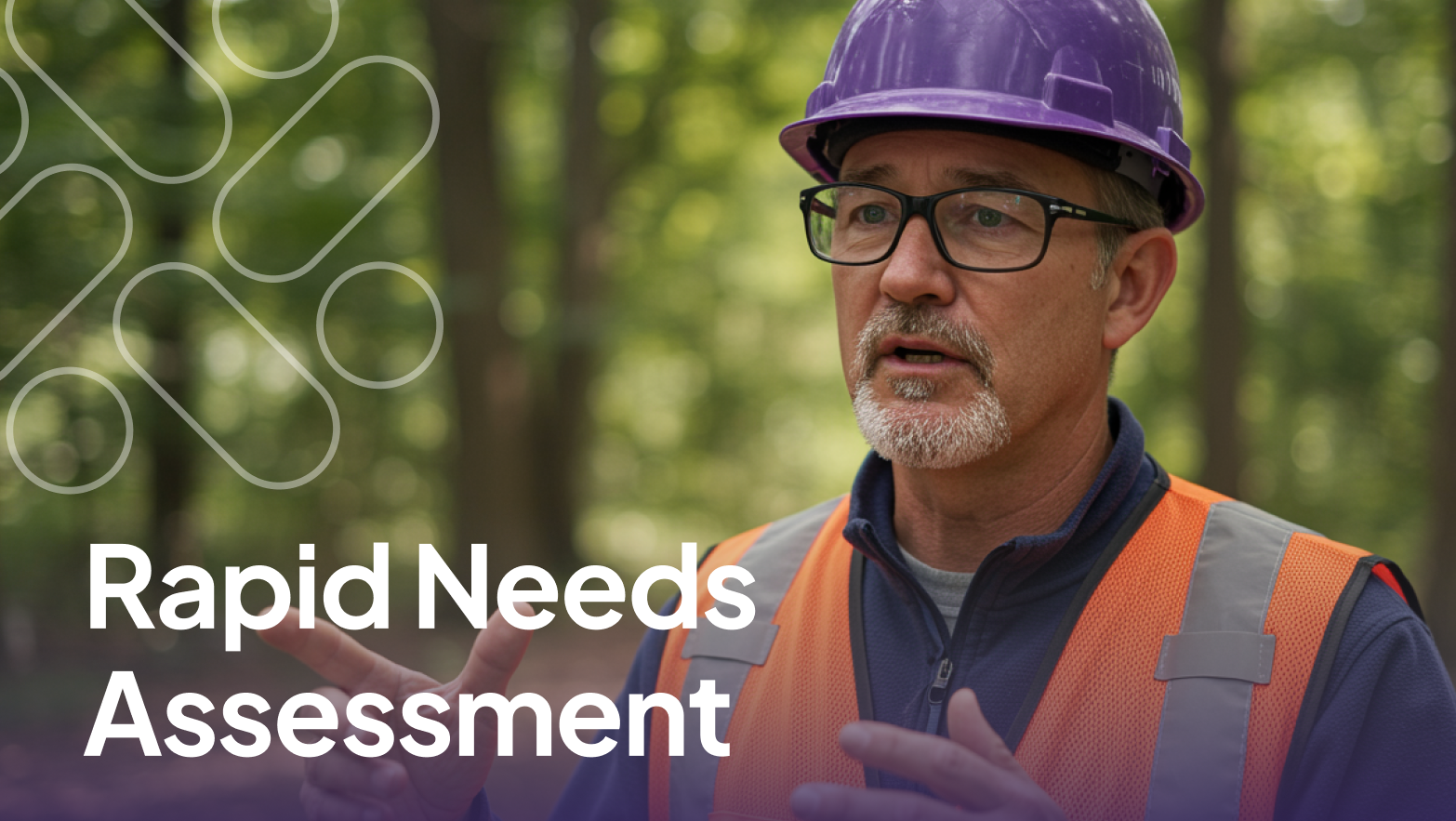
This course trains humanitarian workers to conduct rapid needs assessments immediately following a disaster. You'll learn how to prioritize information collection, identify critical gaps, and enable informed decision-making under extreme time pressure.

Short Description: Quickly assess needs post-disaster.
Learning Outcome:

Principles of rapid assessment

Data collection tools and methods

Prioritizing needs in field conditions

Drafting quick actionable reports

Coordination with local authorities

Requirements:

Basics of humanitarian response

Pen and notebook for field exercises

Familiarity with local contexts

Duration: 3 Hour 36 Minutes
Study Time: Three Weeks
Difficulty Level: Beginner
Course Language: English

This course guides you through building MEL frameworks that go beyond compliance to foster adaptive learning. Learn to design indicators, collect and analyze data, and translate findings into action for better project outcomes.

Short Description: Design and implement MEL systems that drive learning, improvement, and accountability
Learning Outcome:

MEL principles and frameworks

Indicator development and data collection

Analyzing and using MEL data

Adaptive learning in project cycles

Reporting impact to stakeholders 

Requirements:

Some experience with project reporting

Duration: 15 hours
Study Time: 2 hours per week
Difficulty Level: Intermediate
Course Language: English

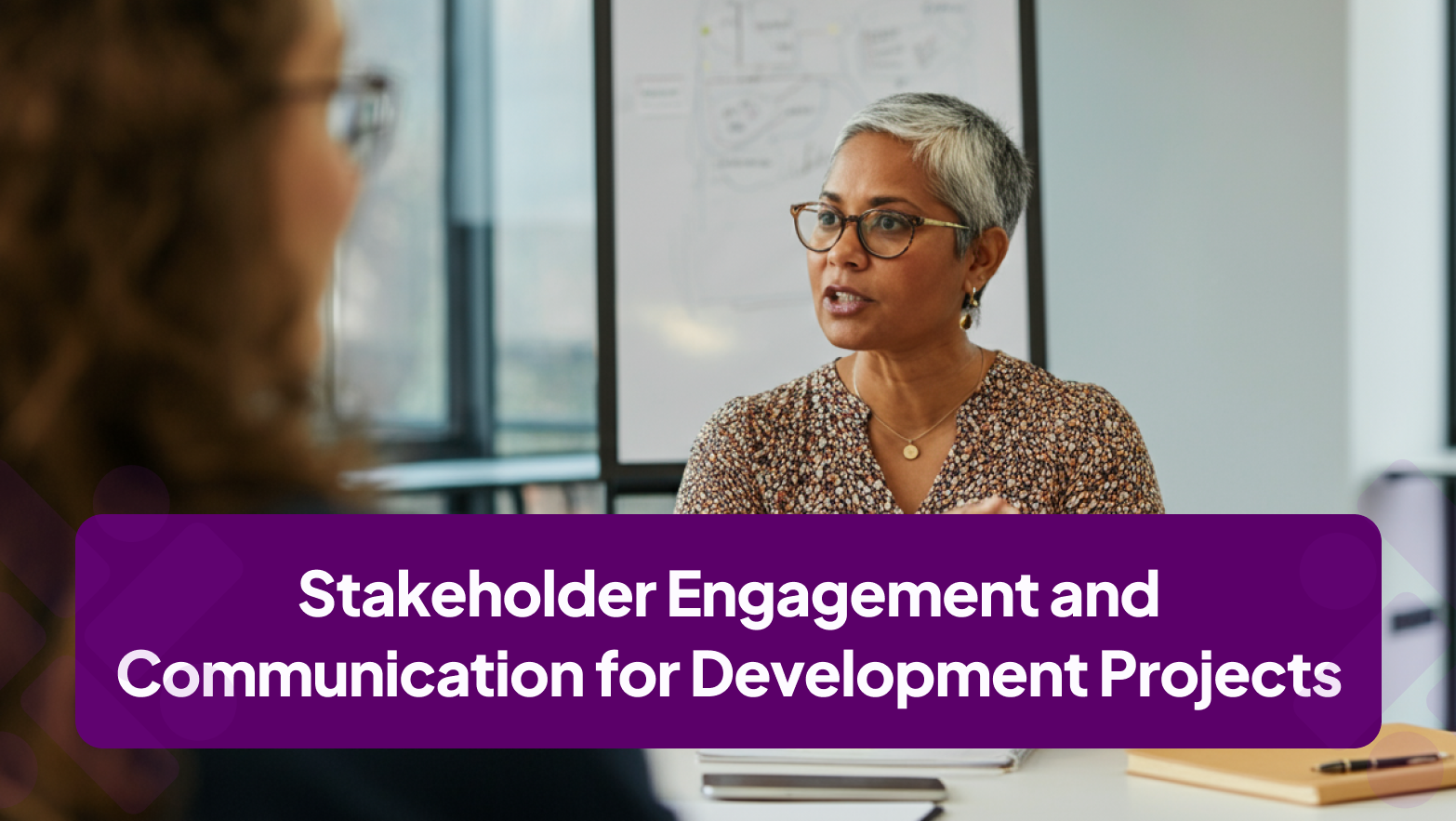
This course provides strategies to identify stakeholders, analyze their influence, and design communication plans that build support for your project. Learn tools for advocacy, negotiation, and managing partnerships across diverse groups.

Short Description: Build trust, align interests, and foster collaboration through effective stakeholder engagement
Learning Outcome:

Stakeholder mapping and analysis

Developing communication plans

Advocacy and influence strategies

Managing partnerships and coalitions

Handling stakeholder conflicts 

Requirements:

None

Duration: 10 hours
Study Time: 30 mins per day
Difficulty Level: Beginner
Course Language: English

This course empowers project managers to build realistic budgets, monitor financial performance, and meet donor compliance. You’ll learn techniques to align spending with project goals while ensuring accountability and transparency.

Short Description: "Gain the skills to plan, track, and report project finances with confidence. "
Learning Outcome:

Building donor-compliant budgets

Financial monitoring tools

Budget variance analysis

Financial reporting requirements

Preventing misuse and fraud 

Requirements:

No finance background required

Duration: 30 hours
Study Time: 3 hours per week
Difficulty Level: Advance
Course Language: English

This course equips managers with essential skills to plan, implement, monitor, and evaluate programs in complex environments. You'll learn frameworks for delivering results, managing risks, and leading diverse teams to achieve sustainable outcomes.

Short Description: "Manage projects with impact, accountability, and efficiency. "
Learning Outcome:

Project cycle management

Logical frameworks and theory of change

Monitoring & evaluation essentials

Risk assessment and mitigation

Team leadership in dynamic contexts 

Requirements:

Prior experience in project teams

Duration: 20.6 hours
Study Time: 3 hours per week
Difficulty Level: Beginner
Course Language: English

This course introduces agile project management principles tailored for humanitarian and development settings. Learn how to apply Scrum, Kanban, and adaptive frameworks to respond to changing needs, stakeholder input, and emergent challenges in real-time.

Short Description: Apply agile methods to adapt, iterate, and deliver social impact projects effectively
Learning Outcome:

Agile principles and values for development projects

Scrum roles, ceremonies, and artifacts

Using Kanban boards for tracking progress

Adaptive planning and pivoting strategies

Managing stakeholder feedback loops

Facilitate collaborative, cross-functional team workflows

Create a project roadmap aligned with social impact goals

Demonstrate how Agile can enhance flexibility and innovation

Requirements:

Familiarity with project management basics

Interest in Social Impact or Nonprofit Work

Familiarity with Team Collaboration Tools (Optional)

Basic Communication and Organizational Skills

Motivation to Work in Agile Environments

No Technical Background Required

Duration: 15 hours
Study Time: 2 hours per week
Difficulty Level: Beginner
Course Language: English
Course rating:

4.5(11)

Understand the psychology of major donors and build long-term, personalized engagement plans that yield major gifts.

Short Description: Cultivate and steward major donors for transformational giving.
Learning Outcome:

Donor profiles

Giving cycles

Cultivation tactics

Stewardship strategies

Donor retention

Requirements:

Fundraising experience recommended

Duration: 60 mins
Study Time: self paced
Difficulty Level: Beginner
Course Language: English

This course explores tools and strategies for digital outreach, including email, social, crowdfunding, and analytics.

Short Description: Launch successful online campaigns and reach wider audiences.
Learning Outcome:

Campaign planning

Social platforms

Crowdfunding tips

Email strategy

A/B testing

Requirements:

Comfort with digital tools

Duration: 3 hours
Study Time: self paced
Difficulty Level: Beginner
Course Language: English

Master the essentials of compelling proposal writing including narrative structuring, budget creation, and donor alignment.

Short Description: Write winning grant proposals that stand out and secure funding.
Learning Outcome:

Grant writing structure

Needs assessment

Budget design

Common mistakes

Donor language

Requirements:

Some writing experience

Duration: 6 hours
Study Time: 30 mins per day
Difficulty Level: Beginner
Course Language: English

Learn how to design and implement effective fundraising strategies that prioritize long-term relationships with donors.

Short Description: Build a sustainable, donor-centered fundraising strategy.
Learning Outcome:

Fundraising principles

Donor segmentation

Campaign planning

Ethical fundraising

Relationship building

Requirements:

None

Duration: 10 hours
Study Time: 2.5 hours per week
Difficulty Level: Beginner
Course Language: English

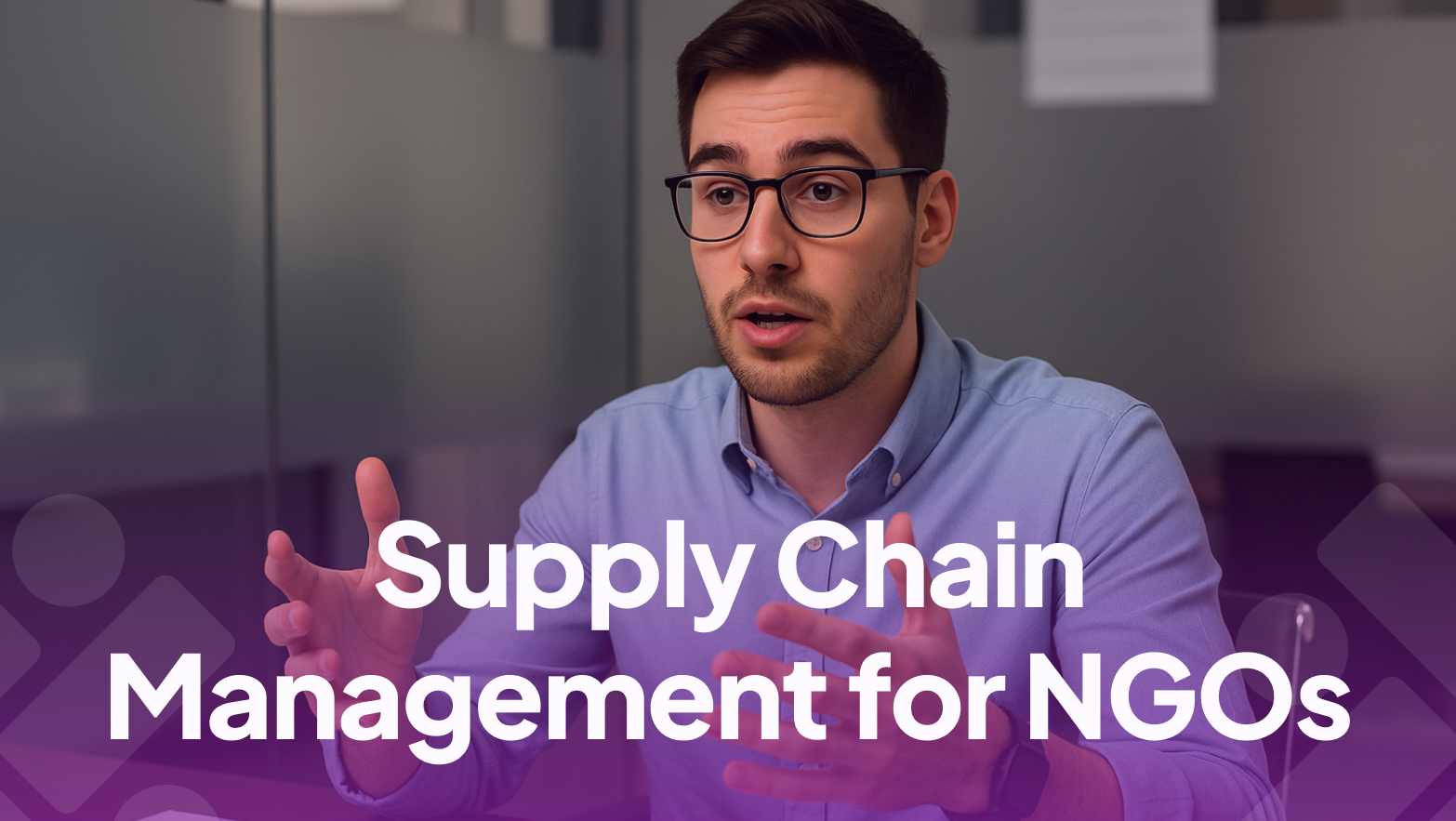
Learn to optimize the supply chain of NGOs, focusing on cost reduction and efficiency without compromising mission.

Short Description: Strengthen your nonprofit's supply chain for greater impact.
Learning Outcome:

Supply chain optimization

Cost-effectiveness

Inventory management

Procurement strategies

Negotiating with suppliers

Requirements:

No experience needed

Duration: 8 hours
Study Time: self paced
Difficulty Level: Beginner
Course Language: English

This course provides a deep dive into international logistics, focusing on humanitarian aid delivery in different regions.

Short Description: Ensure efficient aid distribution and supply chain operations.
Learning Outcome:

Global logistics networks

Supply chain integration

Transportation issues

Customs and regulations

Monitoring and evaluation

Requirements:

No experience required

Duration: 12 hours
Study Time: self paced
Difficulty Level: Intermediate
Course Language: English

Learn to coordinate emergency logistics and ensure timely delivery of aid, even in challenging conditions.

Short Description: Handle logistics effectively in disaster relief situations.
Learning Outcome:

Logistics in emergencies

Resource allocation

Communication protocols

Coordination with local actors

Managing large-scale responses

Requirements:

No prior experience needed

Duration: 6 hours
Study Time: self paced
Difficulty Level: Beginner
Course Language: English

Master the fundamentals of supply chains in emergencies, including procurement, storage, and last-mile delivery.

Short Description: Coordinate effective logistics during emergency response.
Learning Outcome:

Supply chain mapping

Last-mile delivery

Storage & warehousing

Coordination with partners

Emergency logistics

Requirements:

No experience required

Duration: 20 hours
Study Time: 3 hours/week
Difficulty Level: Advance
Course Language: English

Learn how to manage grants, from proposal to closeout, ensuring compliance with funder requirements and reporting standards.

Short Description: Manage grants effectively and maintain compliance.
Learning Outcome:

Grant tracking

Compliance documentation

Report creation

Fund disbursement

Monitoring grant outcomes

Requirements:

No prior experience needed

Duration: 5 hours
Study Time: 5 hours
Difficulty Level: Beginner
Course Language: English

Learn how to design and manage budgets that reflect your organization’s mission and donor expectations.

Short Description: Master budgeting techniques for NGOs and manage resources effectively.
Learning Outcome:

Budget creation

Resource planning

Cost control

Funding allocation

Financial sustainability

Requirements:

Basic accounting knowledge

Duration: 9 hours
Study Time: self paced
Difficulty Level: Beginner
Course Language: English

Learn the fundamentals of nonprofit financial reporting and compliance with donor and legal requirements.

Short Description: Gain skills to ensure accurate, transparent, and compliant reporting.
Learning Outcome:

Cash flow management

Financial reporting frameworks

Accounting principles

Compliance regulations

Reporting tools

Requirements:

No prior finance experience needed

Duration: 4 hours
Study Time: 4 hours
Difficulty Level: Beginner
Course Language: English

Learn how to create budgets, track expenses, and report in donor-compliant ways while staying audit-ready.

Short Description: Build transparent and accountable financial systems.
Learning Outcome:

Budgeting methods

Financial controls

Donor compliance

Audit preparation

Financial reporting

Requirements:

No finance background required

Duration: 10 hours
Study Time: self paced
Difficulty Level: Beginner
Course Language: English

This course introduces the fundamentals of community mobilization, teaching how to engage stakeholders and empower local voices.

Short Description: Mobilize communities for collective action and sustainable change.
Learning Outcome:

Participation principles

Trust building

Community leaders

Dialogue facilitation

Sustaining engagement

Requirements:

No prior experience needed

Duration: 9 hours
Study Time: self paced
Difficulty Level: Intermediate
Course Language: English

Understand how to engage communities in the design and decision-making process for sustainable development.

Short Description: Implement participatory methods that lead to lasting community change.
Learning Outcome:

Participatory techniques

Community

led change

Needs assessment

Planning with stakeholders

Empowerment strategies

Requirements:

No experience needed

Duration: 16 hours
Study Time: 2 hours per week
Difficulty Level: Advance
Course Language: English

Teaches how to integrate protection principles into all programs including WASH, education, and livelihoods, with practical and policy-level guidance.

Short Description: Integrate protection principles across all sectors.
Learning Outcome:

Protection mainstreaming framework

Do No Harm and dignity principles

Safe and accessible services

Inclusive programming

Field-level adaptations

Requirements:

Experience in field or sectoral programs

Duration: 3h
Study Time: 2-3 weeks
Difficulty Level: Beginner
Course Language: English

Introduces essential principles of safeguarding in development and humanitarian work, including duty of care, power dynamics, and ethical responsibilities.

Short Description: Understand the foundations of safeguarding in aid work.
Learning Outcome:

Safeguarding definitions and concepts

Roles and responsibilities

Identifying harm and abuse

Codes of conduct

Reporting mechanisms

Requirements:

Open to all NGO staff and volunteers

Duration: 2h 30min
Study Time: Self-paced (2 weeks)
Difficulty Level: Beginner
Course Language: English

Covers how to collect, interpret, and use program data for timely decision-making in development and humanitarian environments.

Short Description: Learn how to use data to drive informed, real-time decisions.
Learning Outcome:

Key data concepts

Types of data (qualitative & quantitative)

Dashboard basics

Common data pitfalls

Interpreting for action

Requirements:

Some experience working with program data

Duration: 3h 15min
Study Time: 2–3 weeks
Difficulty Level: Beginner
Course Language: English

Explores the basics of digital transformation in organizations, including mindset shift, technology trends, and strategic alignment.

Short Description: Understand the core drivers and opportunities of digital change.
Learning Outcome:

What is digital transformation

Organizational readiness

Culture and leadership

Key technologies

Case examples from NGOs and private sector

Requirements:

Open to all staff levels

Duration: 2h 45min
Study Time: 2 weeks (self-paced)
Difficulty Level: Beginner
Course Language: English

Teaches tools and frameworks to assess and strengthen organizational systems and functions, including HR, finance, programs, and governance.

Short Description: Measure and improve your organization's ability to deliver results.
Learning Outcome:

What is capacity building

Capacity assessment tools (OCAT, McKinsey 7S)

Data collection and scoring

Action planning

Change management

Requirements:

Basic familiarity with NGO structures

Duration: 3h
Study Time: 2 weeks (flexible)
Difficulty Level: Beginner
Course Language: English

Learn how to structure, deliver, and evaluate adult learning workshops using participatory and inclusive methods.

Short Description: Design and lead impactful training sessions for diverse audiences.
Learning Outcome:

Adult learning principles

Session design

Group facilitation techniques

Engaging diverse learners

Evaluation tools

Requirements:

Open to all field and HQ staff

Duration: 3h 30min
Study Time: 2–3 weeks
Difficulty Level: Beginner
Course Language: English

Offers practical ways NGOs can integrate environmentally responsible practices in daily operations, procurement, travel, and program implementation.

Short Description: Reduce your NGO’s environmental footprint while boosting impact.
Learning Outcome:

Organizational carbon footprint

Green procurement

Sustainable field operations

Waste management

Policy integration

Requirements:

Open to all NGO professionals

Duration: 3h
Study Time: 2 weeks
Difficulty Level: Beginner
Course Language: English

Learn how to design community-based projects that directly support one or more SDGs, while ensuring long-term viability and local ownership.

Short Description: Create projects aligned with the Sustainable Development Goals.
Learning Outcome:

Understanding the SDGs

Aligning goals and indicators

Stakeholder engagement

Sustainability planning

Monitoring for long-term outcomes

Requirements:

Familiarity with basic project management

Duration: 3h 45min
Study Time: 3 weeks
Difficulty Level: Beginner
Course Language: English